
Salt chlorination · 7 min
What is salt chlorination?
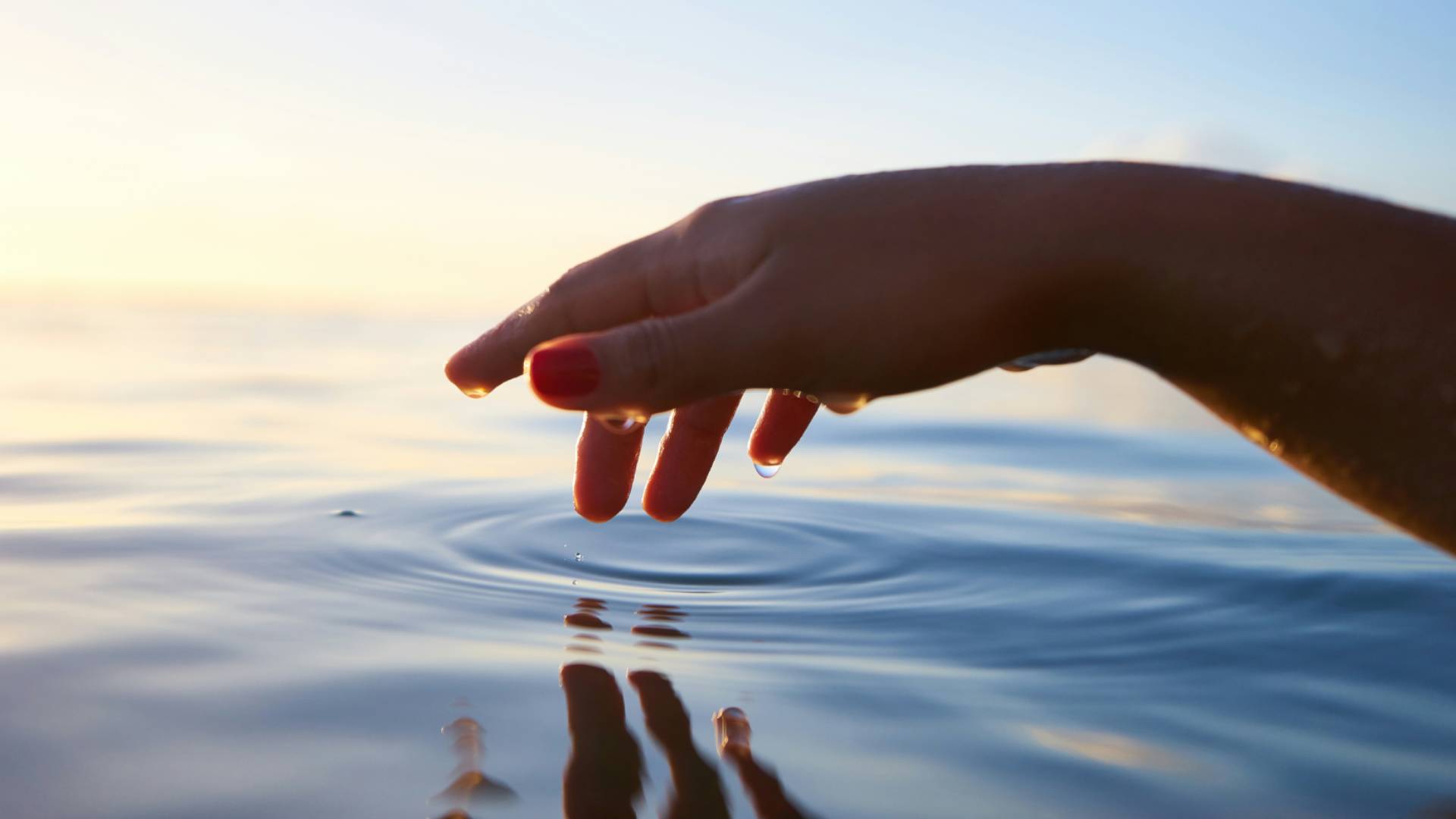
Salt chlorination is a pool disinfection system that replaces conventional chemical chlorine with more natural, safer disinfection. This method, suitable for both modest pools and large complexes, is based on turning common salt into natural chlorine, ensuring disinfected, healthy water.
In any pool, it is essential to keep the water disinfected and free from contaminants, offering a pleasant, safe swimming experience.
This innovative system can be used in all types of pools, from private to public, and promises effective disinfection and more pleasant water, with no chlorine smell and less irritation for skin and eyes. Choosing the right salt chlorinator means considering several factors, and in this article we explain everything you need to take into account.
How a salt chlorinator works
Salt chlorination is a method of disinfecting pool water. It works through electrolysis, a process that uses electricity to turn the common salt dissolved in the water into a powerful disinfectant. When salt is added to the pool, the chlorinator breaks it down chemically, releasing natural chlorine that disinfects the water. This method not only generates chlorine without resorting to external, polluting chemicals, but also ensures superior water quality.
How salt chlorination works, step by step:
1. Cleaning and preparing the pool: Make sure the pool is clean and the water temperature is above 15 °C.
2. Adding salt: Add the salt directly to the water, 4 to 5 kg per m3. Help it dissolve by running the filtration pump. If you want to know whether your pool has the right amount of salt, click here.
3. Electrolysis process: The salt water passes through the filter and reaches the chlorinator cell, where electrolysis takes place. The resulting chlorine has the same effect as chemical chlorine, but is more pleasant, does not irritate the skin and respects the environment.
4. Chlorinator operation: The chlorinator should run together with the filter for optimal, effective operation. In the high season, around 8 hours a day is recommended.
5. pH control: During electrolysis, keep the water’s pH between 7.2 and 7.6 to prevent the disinfectant from breaking down. You can use the BSPool Kit Auto (pH) to automate this.
6. Water return and maintenance: The clean water returns to the pool. After disinfecting, the chlorine generated turns back into salt. This cycle repeats continuously without preventing use of the pool or requiring extra precautions. A safe, convenient and eco-friendly process.
Choose your salt chlorinator according to the volume of water to be treated
The chlorinator we choose depends on the volume of water in your pool. It is important to know how many cubic metres the installation has; from there, you need to choose a unit that can deliver the right chlorine production per hour. If you would like more information on the importance of keeping your pool balanced, I recommend reading our previous post: Does your pool have the right amount of salt?. This article gives valuable details on how to maintain the optimal salinity to ensure the chlorinator works efficiently and swimming is safe and pleasant.
It is always advisable to choose a unit with a chlorine generation capacity above what is needed; that way, if there are more bathers than usual or an unusual heatwave, the chlorinator will be ready to cope with these occasional needs.
Choosing the salt chlorinator is essential to ensure proper maintenance and efficient disinfection of your pool, as the chlorine production needed depends directly on the volume of water to be treated. This volume, measured in cubic metres, is calculated with the formula: Length x Width x Average depth = m³ of water.
Below is a table to help you decide which salt chlorinator to choose according to the volume of your pool and the number of users:
For a pool of up to 100 m³:
- With 10 users: You need a chlorinator with an output of 31.25 g/h.
- As the number of users increases, so does the output needed, up to 337.50 g/h for 500 users.
For a pool of up to 500 m³:
- With 10 users: You need a chlorinator with an output of 131.25 g/h.
- For 500 users, you need a chlorinator with an output of 437.50 g/h.
For a pool of up to 1,000 m³:
- With 10 users: You need a chlorinator with an output of 256.25 g/h.
- For 500 users, the output needed is 562.50 g/h.
These values are a reference for choosing a salt chlorinator with the right production capacity in grams per hour. However, it is important to consider other factors such as frequency of use, the pool’s location and whether it is heated, as heated pools may require more disinfectant. That is why BSPool and its distributor network are always available to help you choose the best salt chlorinator for your pool.
*The calculations in the table are based on the chlorinator running 8 hours a day. Once we know how many grams per hour of salt chlorinator our pool needs, we can select the one that best matches that output:
- From 15 to 30 g/h: EVO Low Salt.
- From 50 to 200 g/h: PRO50-70-100-150-200, PRO250, PRO400-1000.
- More than 200 g/h: TECHSALT OSC200-400
Choose salt chlorinators with pH reading and regulation
pH is a measure of the acidity or alkalinity of the water and must be controlled and adjusted at all times, regardless of the size of the pool or the type of chlorinator installed. By adjusting it, we can guarantee a perfect water balance so bathers can enjoy it without worries.
As explained in this article, pH levels should always be between 7.2 and 7.8 to keep the water in good condition.
All chlorinators in the BSPool PRO range have a pH reading indicator for the water. They also include the Kit Auto (pH), which makes it possible to automate pH regulation through a probe and a dosing pump.
Make the job easier with chlorinators with automatic chlorine regulation
Another important factor when choosing a salt chlorinator and making pool water maintenance easier is getting a unit that can regulate chlorine levels in the water automatically.
Our PRO chlorinators have a Redox reading indicator, which helps start the disinfection process in the pool water by adjusting chlorine production levels.
When choosing the ideal chlorinator for your pool, bear in mind that this Redox indicator should always be used together with the pH regulator, as it relies on the water’s pH levels to work correctly.
Key information on using salt chlorinators
- Temperature affects the efficiency of the salt chlorinator.
- The salinity of a pool with a salt chlorinator is considerably lower than that of seawater, around 7 times lower. It is enough to add salt at the start of the swimming season. After that, while the filtration system is running, the salt chlorinator will keep generating chlorine, reusing the same salt.
- It is crucial to constantly monitor chlorine and pH levels. Salt chlorinators tend to raise the water’s pH, so it needs to be adjusted regularly to keep it within the optimal range of 7.2 to 7.6. For this, BSPool has regulating probes such as the Kit AUTO.
- There is no problem with using the pool while the chlorinator is running. In fact, it is advisable to schedule it during the hours of heaviest use, as that is when more intensive chlorine action is needed to disinfect the water. If the water temperature rises and the chlorinator is not producing chlorine, the water can become a breeding ground for bacteria and algae.
- It is vital to bear in mind that chlorine production by the chlorinator is influenced by the ambient temperature. In hot climates, therefore, it is essential to have a higher-capacity chlorinator and make sure it runs during the hours of strongest sunlight and when the water reaches higher temperatures, whether due to the weather or the use of items such as a summer cover.
Would you like to know more about which salt chlorinator to choose for your pool? At BSPool we have a specialised Technical Service network that will help you with all your questions.
-
 4 min read
Salt chlorination
Myths and facts about salt water pools: debunking beliefs with BSPOOL
-
 4 min read
Salt chlorination
The Water Revolution: Salt Chlorination vs Traditional Chlorine
-
 3 min read
Salt chlorination
Salt Chlorinators for Pools: Beyond Natural Disinfection
-
 3 min read
Salt chlorination
Salt pool or chlorine pool? Find out which is the best option for you
-
 2 min read
Salt chlorination
Salt chlorination vs Traditional Chlorine
-
 3 min read
Salt chlorination
Facts and myths about salt chlorination
Got a question that none of our articles answers?
Our technical team replies in writing within 24 business hours, and the official service network covers all of Spain.